Meaningful Desk Mementos: The Psychology Explained
By Priya Menon • 3rd Mar

Why keep a memento on your desk? Because the psychology behind personal items is deeper than decoration. When you understand how mementos affect your mind, you can design a workspace that genuinely supports both productivity and well-being, without visual chaos.
You've likely felt it: glancing at a photo, award, or cherished object on your desk and feeling a small lift in mood or focus. That sensation isn't random. It's rooted in how your brain processes memory, identity, and social connection. But here's what matters for your setup: not all mementos work equally, and too many create cognitive friction instead of inspiration.
Let's walk through the psychology with clarity, then translate it into actionable guidance for your workspace.
How Do Mementos Trigger Emotional Resilience at Work?
When you hold or see a memento, you're holding a story that can make you experience positive emotions again, even under stress.[4] This isn't sentiment, it's neuroscience.
Meaningful objects activate specific regions in your brain associated with pleasure, social connection, and trust.[8] When you receive or keep something that reflects your identity or a shared memory, your brain releases dopamine, serotonin, and oxytocin, the three neurotransmitters linked to feelings of pleasure and social belonging.[3] This "feel-good" response creates a positive feedback loop: a single glance at a meaningful object can reduce stress and anxiety during a demanding workday.
Research from the University of Bath confirms this impact is measurable. Studies showed that customised or personalised gifts (which function like mementos) consistently raised recipients' self-esteem and made them feel more cherished compared to generic objects.[7] If you're selecting mementos as presents, explore our desk accessories gift guide for dimension-verified, recipient-specific ideas. The personalisation (whether it's your name engraved, a date that matters, or a photo of a shared memory) amplifies the emotional weight.
Why Do Mementos Strengthen Your Sense of Belonging and Identity?
Meaningful desk items serve as mirrors of self. When a memento reflects your achievements, relationships, or values, it reinforces your personal identity and individuality.[1] During a difficult project or creative block, this affirmation matters. Seeing evidence of past successes or people who believe in you provides psychological reassurance and emotional support.[1]
For knowledge workers and creators especially, this identity reinforcement combats the isolation of remote or hybrid setups. A framed photo from a team milestone, a handwritten note from a mentor, or a custom award doesn't just decorate, it reaffirms that you belong to a community and that your work matters. This sense of connection improves overall emotional well-being and resilience.[1]
What Role Does Memory Play in Workspace Motivation?
Nostalgia (the warm feeling of remembering past experiences) is one of the most powerful anchors for mementos.[1] A photo from a vacation, a memento from a completed project, or an item commemorating a personal milestone triggers positive memory reinforcement every time you see it.[1]
The key psychological benefit: these mementos have sustained emotional impact because they're customised or meaningful. Unlike generic decorations, they're more likely to be cherished, displayed, and actually looked at over time. This sustained attachment enhances your overall emotional health and creates lasting satisfaction.[1]
For deep workers and creators who spend 6-10 hours daily at a desk, this matters significantly. A memento that anchors you to past accomplishments or meaningful relationships serves as a subtle reset button when momentum falters.
How Can Mementos Support Cognitive Load Without Creating Visual Clutter?
Here's where measurement and intentionality matter. The psychological benefits of mementos are real, but only if they're curated, not accumulated.
Cognitive load is the mental effort required to process visual information. A desk packed with 15 mementos, trinkets, and personal items creates visual noise that actually reduces focus instead of enhancing it. Each object competes for your attention, diluting the emotional impact of any single memento.
The solution: start with a fit map for your emotional landscape, just as you would for cable routing or monitor placement. Ask yourself:
- Which mementos spark genuine positive recall or reinforce core values?
- Which feel obligatory or simply decorative?
- How many can you meaningfully engage with during a typical workday?
Research on workspace design suggests that 3-5 strategically placed, personally meaningful items deliver the psychological benefits without cognitive friction. Safe zones save returns, and safe zones apply to emotional real estate too. A single photo on your monitor bezel, a small award on a shelf, and a handwritten note tucked into a visible frame create sustained emotional impact while preserving visual clarity.
How Should You Position Mementos for Maximum Benefit?
Placement influences both psychological and practical impact.
Line-of-sight placement (items in your direct view during normal work) delivers the strongest emotional boost.[2] A photo or memento at monitor height or slightly above encourages frequent, unconscious glances that reinforce positive memory and identity.
Passive placement (items visible but not in focus, like a shelf above your desk or a small frame on a corner) provides secondary reinforcement without creating visual distraction.
Transition placement (objects you interact with during breaks - a drawer memento, a shelf you look at when standing) creates deliberate reset moments.
Mix these approaches based on your setup. If you use a standing desk and alternate between sitting and standing, a memento at mid-eye level when standing and a lower shelf item for seated breaks distribute the psychological benefit throughout your workday.
What's the Relationship Between Personal Items and Workspace Ownership?
Meaningful mementos create a sense of ownership and pride in your workspace.[6] When your desk reflects you (your achievements, relationships, and identity), you're more likely to maintain it, protect it, and spend focused time there.
For renters or people in shared spaces, mementos become especially powerful. For renter-friendly, no-drill solutions that still look great, see our renter-safe desk accessories guide. They signal, "This is my space," without requiring permanent changes. A clamp-on shelf holding personal items, a small no-drill frame, or a magnetic memento on a metal stand (no adhesive damage to the desk surface) allows you to stamp your identity without risking a security deposit.
This psychological sense of territory actually improves focus and reduces the anxiety of working in an unmarked, neutral environment.
How Do You Build a Sustainable Memento Framework for Your Desk?
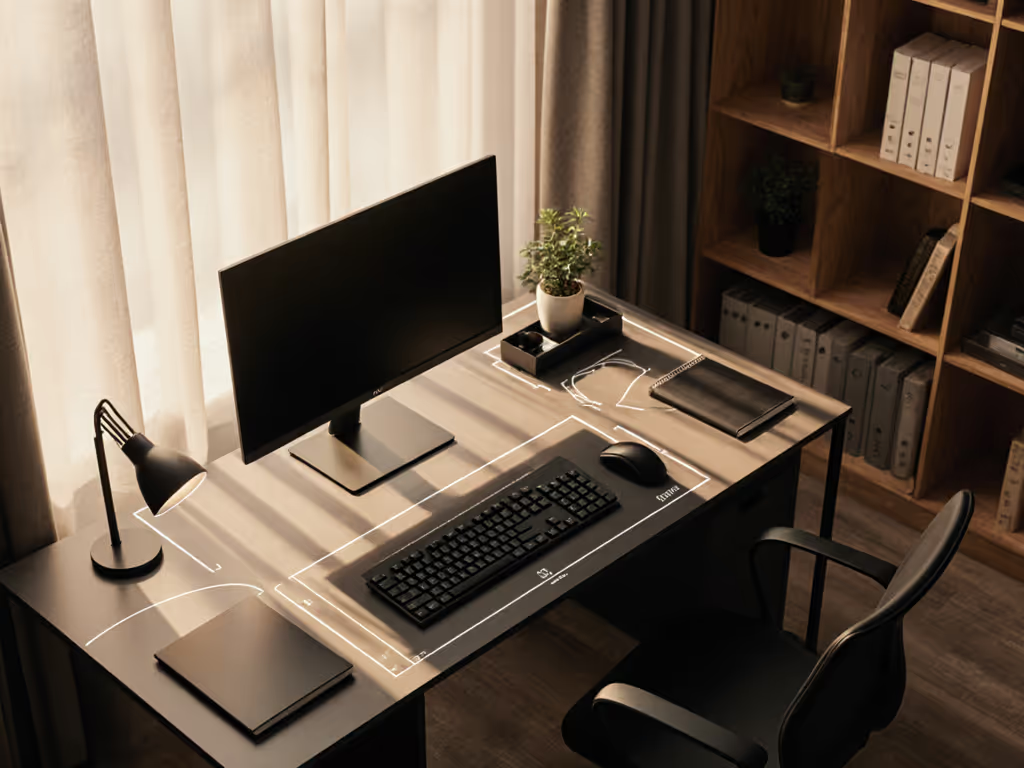
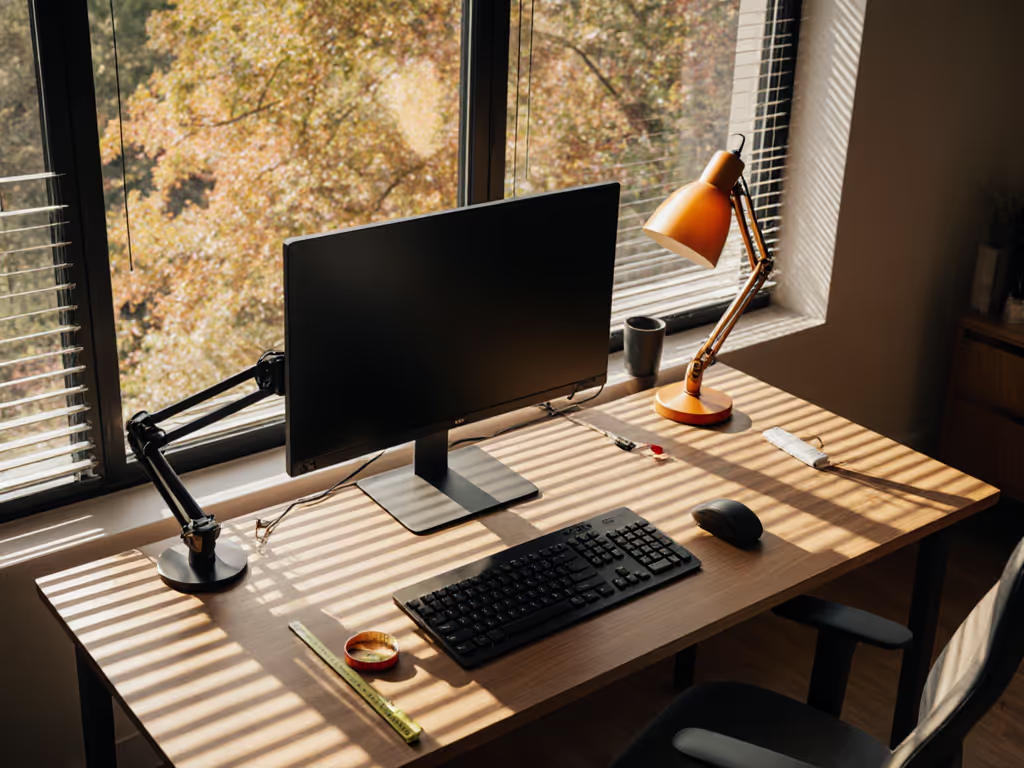
Start with a fit map (literally). Measure your desk depth, width, and clear sight lines. Identify 2-3 zones:
- High-attention zone: Monitor bezel, immediate desk surface, or eye-level shelf. Reserve for one primary memento.
- Secondary zone: Periphery of desk or lower shelf. Room for 1-2 supporting items.
- Transition zone: Items you see during breaks or standing. Optional memento for reset moments.
Next, audit your current mementos. Which ones trigger genuine positive emotion? Which feel like visual clutter? Consolidate ruthlessly. A single framed photo can replace four separate printed images.
Finally, establish a rotation schedule. For ideas on when and how to refresh your setup through the year, use our seasonal desk transition checklist. Instead of keeping all mementos on display permanently, rotate them seasonally or quarterly. A memento you see only occasionally has more psychological impact than one you've stopped noticing. This also prevents your workspace from becoming a visual archive instead of a productivity zone.
Key Takeaways
Meaningful mementos boost emotional resilience, reinforce identity, and trigger sustained positive emotions during work.[1][3][4] Their psychological benefits include reduced stress, enhanced self-esteem, and strengthened social connection.[1]
But psychology serves productivity only when mementos are curated, not accumulated. A small number of strategically positioned items, based on your desk layout and sight lines, deliver these benefits without cognitive load. Start with a fit map; buying gets calmer and cleaner.[6]
For remote workers, renters, and knowledge workers especially, a 3-5 item memento framework provides the emotional grounding needed for focus while maintaining the clean, intentional workspace that supports deep work.
The next time you consider adding a memento to your desk, ask: Does this reflect my identity or achievements? Will I actually see and engage with it regularly? Does it enhance, or dilute, my visual clarity? Safe zones save returns (apply the same principle to your emotional and cognitive workspace).
Related Articles